
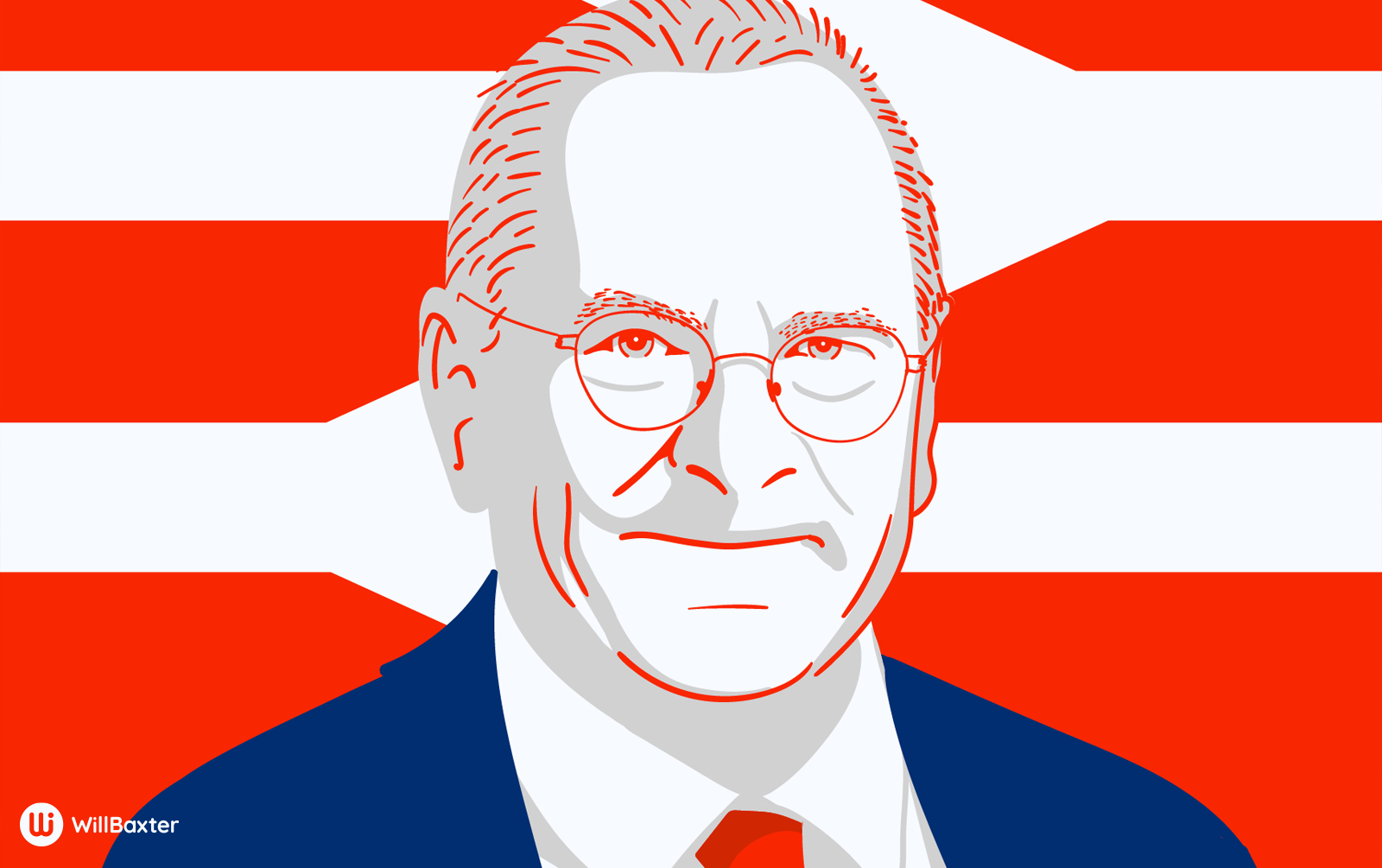
GBR explained… in Lord Peter Hendy’s own words.
Words & illustrations by Will Baxter
On Friday, 19th June 2026, I had the privilege of attending the Better Transport Conference at London’s South Bank University. The highlight of the event was undoubtedly a speech by Lord Peter Hendy. As someone whose work is deeply embedded in the rail sector, I’ve long considered Lord Hendy to be the greatest living railwayman.
Hearing his unvarnished thoughts on the future of Great British Railways (GBR) and the wider industry was invaluable. I’ve compiled my notes from his session below to share his insights on where our industry is heading.
The Current Climate and Government Support
Lord Hendy began by highlighting a foundational positive: the Government actively wants to spend money on the railway. Crucially, the public wants the railway too, and there is a broad, shared understanding of the fundamental economic value it delivers.
The Imperative for Rail Reform
Reflecting on the past, Lord Hendy noted that the 1993 Railway Act, which ushered in privatisation, was the last major structural change to our industry. We are now facing our next significant opportunity to change the railway for the better.
He didn’t shy away from current industry flaws, frankly stating that the current fares system is a “mess”, a direct result of Train Operating Companies (TOCs) historically trying to take revenue from one another.
He also championed ‘Better Connected’ which is the government’s vision for domestic transport in England – the first plan in 25 years.
Changing the Narrative on Project Delivery
A recurring theme was the public perception of railway projects. Lord Hendy acknowledged a hard truth: everything on the railway takes longer to deliver and costs more than initially thought. However, he emphasised that once finished, these projects consistently deliver far more value than expected.
He used the £14bn Transpennine Route Upgrade as a prime example of a major project running on time and on budget. Yet, he expressed frustration that the press remains fixated on the failures of HS2 rather than celebrating these triumphs. He urged the industry to focus on the positives, noting that the ‘Better Connected’ Government has recently produced the first comprehensive transport plan in 25 years.
The Role of Regional Mayors
Touching on regional devolution, Lord Hendy stated that the most vital function of a Mayor is their long-term development plan, specifically, how they use it to drive economic growth, create jobs, and build homes.
The Roadmap for Great British Railways (GBR)
He spoke about GBR’s launch, and outlined a clear short, and long-term vision:
-
Immediate Priorities: GBR’s first task is to “earn its space to operate.” It must be established correctly from day one, with the right level of control to ensure it can operate in the most effective way possible.
-
A Five-Year Vision for Success: In five years, Lord Hendy wants to see a GBR where individual business units are empowered to resolve their own issues and work closely with their relevant local MPs. Success means GBR achieving a level of stability where the organisation of the railway is no longer a topic the Government needs to reconsider. Ultimately, the railway needs to perform so reliably that the public stops asking questions about it. He pointed to Transport for London (TfL) as the blueprint for this: a stable body that people understand and rarely question.
Advice for the new CEO of GBR
Lord Hendy offered three clear directives for whoever takes the helm of GBR:
-
Master the Details: Get up early, work hard, and stay late. A leader must know what is happening across every department all the time. You have to get into the granular details because your audience needs to know that you understand and care about the things they care about.
-
Empower Local Operators: Hire excellent people at the operator level who come to you with solutions. He strongly warned against reverting to the heavy central control of the British Railways era. The modern railway must be run in a way that remains highly adaptable to change.
-
Build Government Credibility: You must be credible to the Government. He cited Mike Brown, former Commissioner of TfL, who successfully transitioned from working under Mayor Boris Johnson to Mayor Sadiq Khan. Despite his vast experience, Brown had to continuously prove himself to new leadership and actively build those vital political relationships.
